ClawCraft
HOW TO MAKE A COMPANY WEBSITE MORE CREDIBLE

How to make a company website more credible

Credibility comes from reducing uncertainty. A visitor should be able to understand who is responsible, what the company actually does, what evidence exists, how to contact someone, and what happens next.

Real codeDraft before publishVersion historyDocument and media library

Replace vague superlatives with named services, examples, dates, people, boundaries, policies, and verifiable proof. Keep the page current and make contact information easy to find.

Website launch checklist, international map, and analytics report

Start with the delivery question, not the demo

A search for how to make a company website more credible can begin with an attractive demo or a short feature list. That is a useful first screen, but it rarely answers the delivery question: can the people responsible for the public website work from Collect company facts, team bios, customer permissions, case studies, certifications, policies, contact ownership, and update dates and Write one measurable primary action for helping a cautious visitor make a confident next decision, keep claims reviewable, and make the next change without starting over? The real risk is usually not a missing screen in the first build. It is the useful source material is trapped in company facts, team bios, customer permissions, case studies, certifications, policies, contact ownership, and update dates.
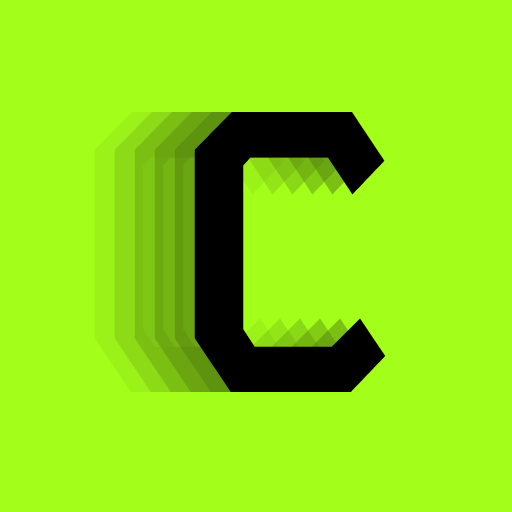

A company website connecting team identity, case proof, contact details, and trust signals
Credibility grows when a visitor can connect public claims to people, proof, and a real contact path.

The operational problem behind this search

  • The useful source material is trapped in company facts, team bios, customer permissions, case studies, certifications, policies, contact ownership, and update dates
  • The page is designed before the team agrees on helping a cautious visitor make a confident next decision
  • Generic generation hides the missing evidence: specific examples, transparent limits, real people or entities, and consistent public information

What changes with a persistent website agent

  • A focused page organized around helping a cautious visitor make a confident next decision
  • A durable project that preserves company facts, team bios, customer permissions, case studies, certifications, policies, contact ownership, and update dates
  • A reviewable Draft whose claims can be checked against specific examples, transparent limits, real people or entities, and consistent public information

Turn the shortlist into one small, reviewable test

Use one real page, one approved evidence pack, and one named reviewer to test the workflow. Ask each option to produce a Draft, then check the path from source material to page, the quality of the review conversation, and the precision of the publish boundary. A useful result is not simply that a page appeared quickly; it is a focused page organized around helping a cautious visitor make a confident next decision. This keeps the comparison grounded in work the team can inspect rather than in a generic claim about which tool is “best”.

From company material to a published website

From company material to a published website

01

Organize evidence

Put the campaign brief, company files, portfolio, resume, event details, documents, images, and video in the project library and label each item’s intended use.

02

Create a Draft

The agent reads the audience, goal, facts, and assets, proposes the information architecture, implements real code, and runs foundational build checks.

03

Review the result

Owners inspect the Draft, task evidence, completion summary, and version boundaries, then request another edit if needed.

04

Publish deliberately

Only an explicit owner action moves the public domain to the new version. The same project remains available for changes informed by traffic and feedback.

Source materials and website draft connected across a studio desk

Prepare this evidence pack

  • Collect company facts, team bios, customer permissions, case studies, certifications, policies, contact ownership, and update dates
  • Write one measurable primary action for helping a cautious visitor make a confident next decision
  • Mark specific examples, transparent limits, real people or entities, and consistent public information as approved, missing, private, or reference-only

Who this workflow fits

  • New companies, consultants, agencies, and B2B services selling through their website
  • Teams that need a real URL, responsive code, analytics, and later revisions
  • Projects where reviewers must approve the page before traffic is sent

Limits and cases to evaluate separately

Frequently asked questions

What trust signals matter most on a company website?

Clear offer and ownership, specific work examples, honest boundaries, accessible contact details, consistent company facts, useful policies, and proof that a visitor can understand and verify.

Can the page keep changing after launch?

Yes. ClawCraft keeps the source files, coded website, Drafts, published version, and task history together so a later brief can produce another reviewable Draft.

Does an AI-generated page publish automatically?

No. Generation creates a Draft. The current public version stays online until the project owner reviews and explicitly publishes the replacement.

Continue with a related path

The first release should make the next decision easier

After the first release, document what changed, who approved it, and which page or conversion signal will decide the next iteration. That creates a practical operating record instead of a one-off prompt. Keep the boundary visible: Fake testimonials, borrowed logos, invented metrics, and unverifiable awards damage trust and can create legal risk.. If a workflow can support that discipline while still helping the team move quickly, it is a stronger candidate for a company website than one judged only by its first visual result.